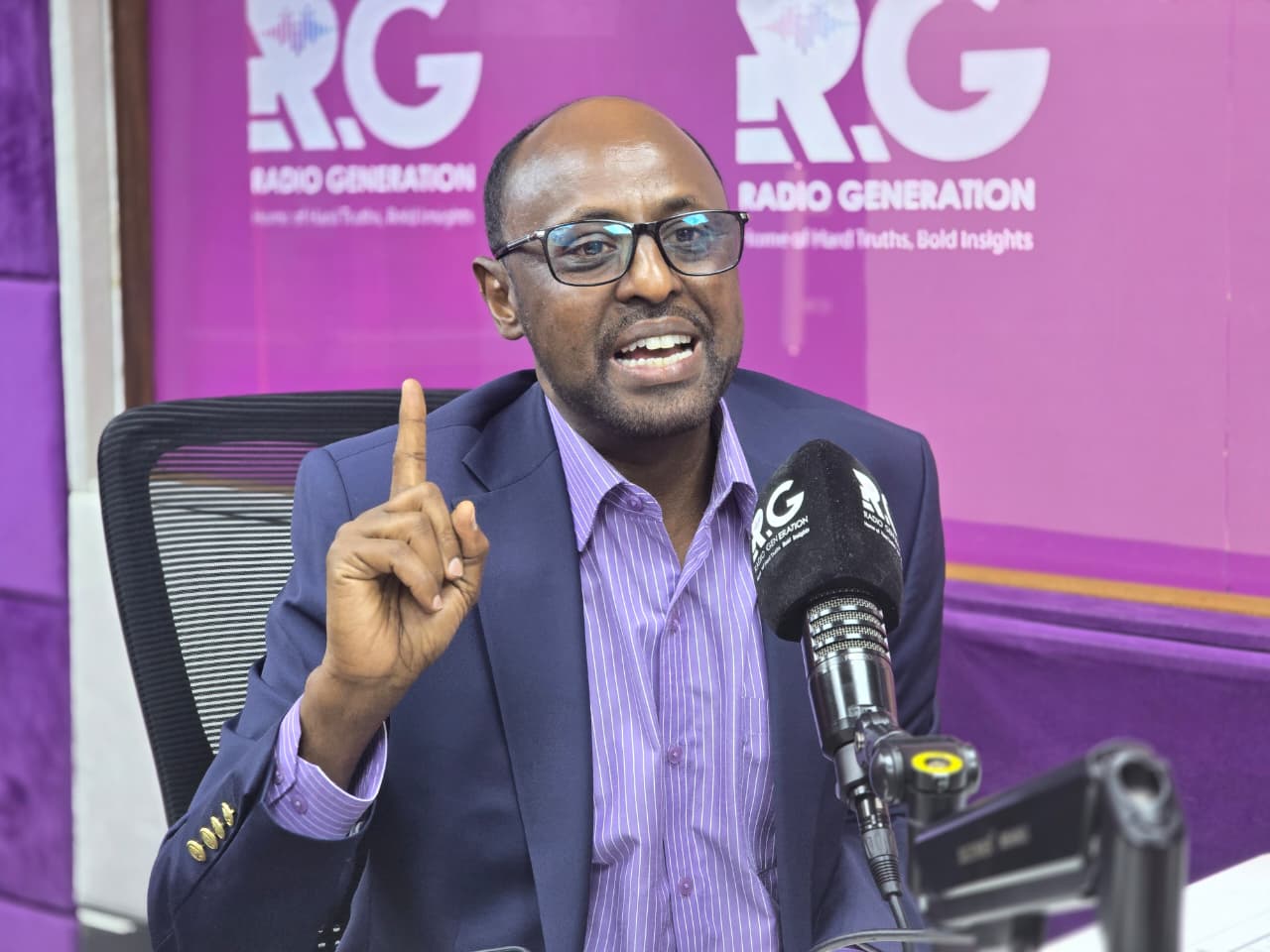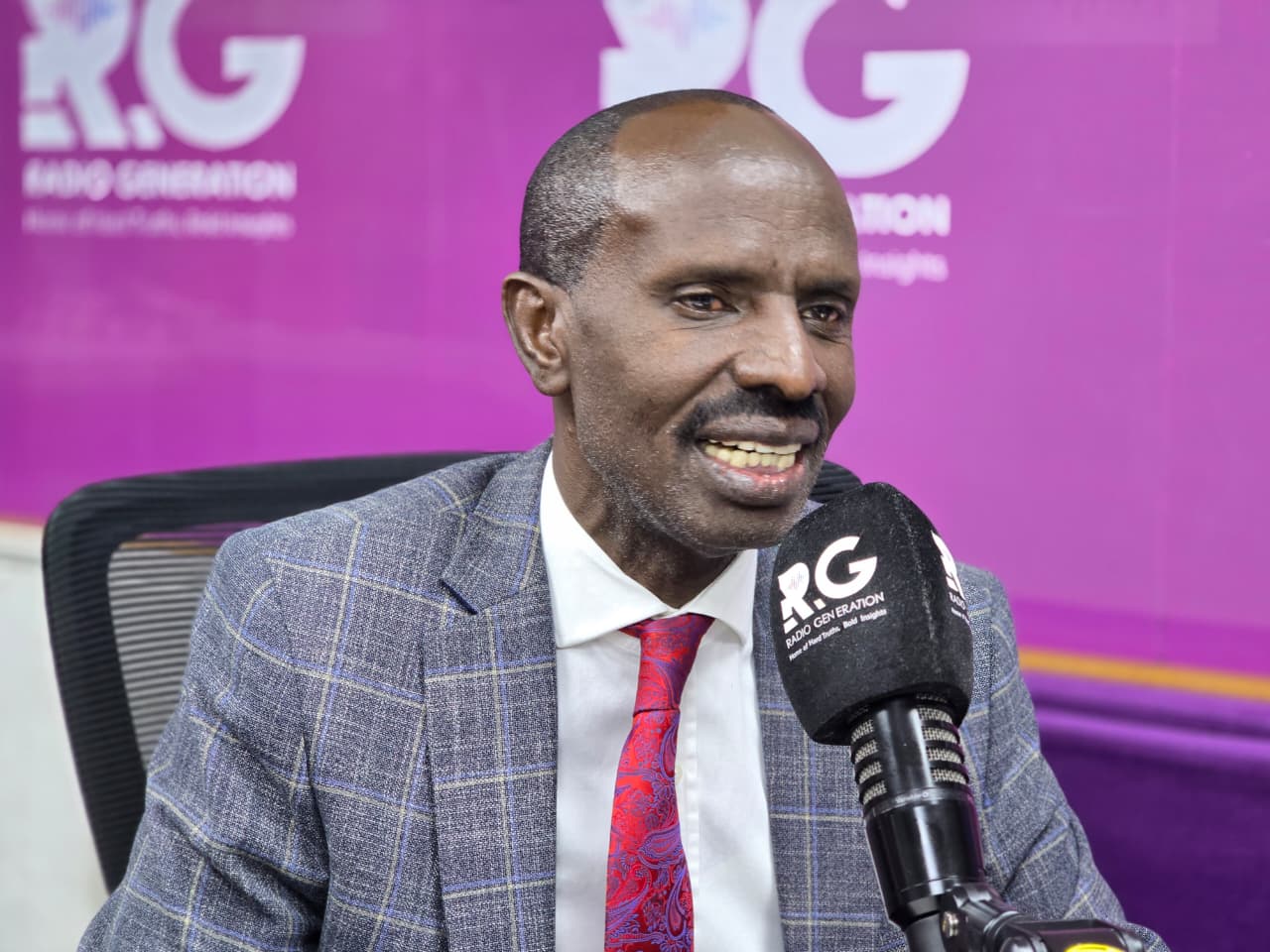
Kenya faces an urgent need to upgrade school infrastructure to keep pace with a growing student population and the new Competency-Based Curriculum (CBC), former Kenya National Union of Teachers (KNUT) boss Wilson Sossion has said.
Speaking during a Radio Generation interview on Tuesday, Sossion warned that many schools, particularly those built by missionaries decades ago, are collapsing due to poor planning and weak supervision.
“Some were built by missionaries, and very many years down the line, those buildings are collapsing because they were meant for those days and that time,” he said. He called for stronger quality assurance, increased funding for infrastructure, and a fair distribution of education resources across all schools in the country.
Sossion said infrastructure development is only one part of a larger education planning system that includes student population forecasting, teacher recruitment and training, and provision of learning materials. “Renovation is just part of it, within that entirety, there’s planning for students, planning for structures, planning for teachers, training, equipping,” he explained.
He noted that the rollout of the new curriculum and the transition to Grade 10 has exposed gaps in planning, saying that challenges in new systems should be anticipated and addressed through proper preparation. “A new system always comes with challenges to be expected,” he said.
Criticising past education reforms, Sossion emphasised that curriculum changes should begin with universities, education experts, and teachers before reaching schools. “Curriculum change begins with thorough discussions, debates, workshops, and planning and designing at the university level and teacher training so that then it cascades to the lower levels,” he said. He added that poor planning and rushed reforms in the past made it difficult for the current administration to stabilise the sector. “The ministry deteriorated and to recollect and stabilize it by the current administration has been a very difficult thing,” he said, noting that the sector is now more stable.
Sossion highlighted the role of the Quality Assurance and Standards department in monitoring schools and maintaining education standards. “If the ministry was to ensure that every school is quality assured at least every term, we will be able to upgrade every school to international status,” he said. He added that inspections should cover infrastructure, financial management, procurement, and health standards to ensure resources are properly used.
Some schools, he noted, have already begun modernising infrastructure, demolishing old classrooms, and constructing multi-storey buildings to accommodate more students. “I have experience, and I’ve come across schools that are 100% overhauling old buildings, they’re clearing old classrooms and putting up two other classrooms on top,” he said. He also praised government efforts to expand school infrastructure through funding for classrooms, laboratories, and other facilities. “You cannot talk of expanding a school in terms of population without expanding the infrastructure,” he said.
Sossion warned that infrastructure development should not be driven solely by presidential directives but should be managed systematically by the Ministry of Education and school boards. “That should not be centralized at the presidency. It should be an activity that is robustly supervised by the ministry and by the boards of management,” he said.
He said Kenya has long been aware of projected population growth, particularly after the 2019 national census, and should have planned earlier for school expansion. “You’re able to project the human population over a period of 10 years, and therefore you’re able to plan for their social services. Basically, that is health and education,” he said.
While praising the policy of 100% transition to secondary school, Sossion noted that it was not backed by sufficient infrastructure, leading to overcrowding. “You’ve started 100% transition, but you’ve not accompanied with a policy that is predictable and that is accompanied by resources to expand infrastructure,” he said.
He concluded by calling for equitable distribution of education resources and a review of capitation funding to ensure schools receive adequate support for maintenance and development.